
Home / Guides / What type of property is the best investment?
Guide

What type of property is the best investment?

Residential, commercial and short-term rental property compared — the pros, cons and which suits which investor.

1 min read
What type of property is the best investment?

When it comes to property and investment, there are several avenues to explore. The term investment differs for each individual — some seek quicker short-term wins, others play the long game. Typically it comes down to residential properties, commercial properties and short-term rentals. Here are the pros and cons of each.

1. Residential properties: a sensible investment

The most popular and generally the safest type of investment purchase. People always need somewhere to live, and with it taking longer to buy a first home, demand for rented residential homes remains high.

Pros:

  • High demand for rental properties, ensuring a steady income
  • Easier to finance, as banks are more likely to approve loans for residential properties
  • Potential for appreciation in value over time

Cons:

  • Requires active management (tenant issues, maintenance, vacancies)
  • Market fluctuations can affect rental income and property value

2. Commercial properties: long-term, high return

Anything from an office building to a retail or industrial space. Trickier to get into, with more elements to consider up front, but businesses always need space.

Pros:

  • Longer lease agreements, providing consistent and stable income
  • Higher return on investment compared to residential properties
  • Businesses are more likely to keep the property well-maintained
  • Taxable benefits such as certain expenses being deductible

Cons:

  • Requires more upfront and higher maintenance costs
  • Complex lease agreements and management
  • Longer vacancy periods whilst finding the right tenants
  • Regulatory requirements to consider

3. Short-term rental properties

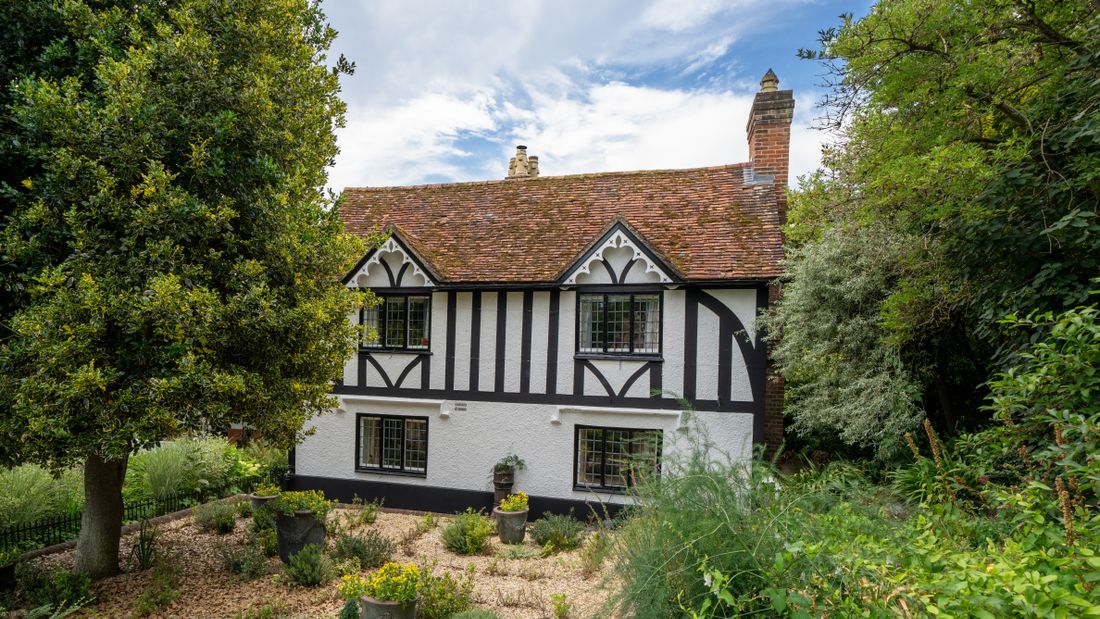
Whether a cottage for Airbnb or a larger holiday home, this would be considered a short-term rental — ideal if you live close to a popular tourist destination.

Pros:

  • Higher income potential than long-term rentals
  • Flexibility in using the property for personal vacations
  • Ability to adjust pricing based on demand and seasonality

Cons:

  • High turnover and increased maintenance and management effort
  • Legal and regulatory risks
  • Seasonal demand can result in quieter periods

Things to consider

Buying any property to rent out is a huge investment. The appropriate professionals should be contacted — from mortgage advisors to expert RICS surveyors. A RICS surveyor will provide a detailed inspection and report, outlining any potential causes of concern from mould and damp to structural damage, giving you the opportunity to negotiate on price or withdraw.

Read next

More guides

Five things to consider when buying a new build home in 2025

Five things to consider when buying a new build home in 2025

Buyer incentives, lower maintenance and bills versus space and the new-build premium — five things to weigh before buying new.

Read
Five things to consider when buying an older or listed property in 2025

Five things to consider when buying an older or listed property in 2025

Space, build quality, adding value, works, character and restrictions — five things to weigh before buying an older or listed home.

Read
What it means to be a landlord in 2025: all you need to know

What it means to be a landlord in 2025: all you need to know

Initial investment, responsibilities, legislation changes (EPC C by 2028, Renters Rights Bill) and long-term reward for landlords in 2025.

Read

Book your survey today

A free, no-obligation quote in minutes.

CallGet my quote